
Who Were the Gurkhas? A Short History of Nepal’s Soldiers
NEPAL · HISTORY & HERITAGE
You may know the name Gurkha from a regiment, a history book or the sign above our restaurant. Behind it is a story that begins in Nepal and reaches far beyond the Himalayas.
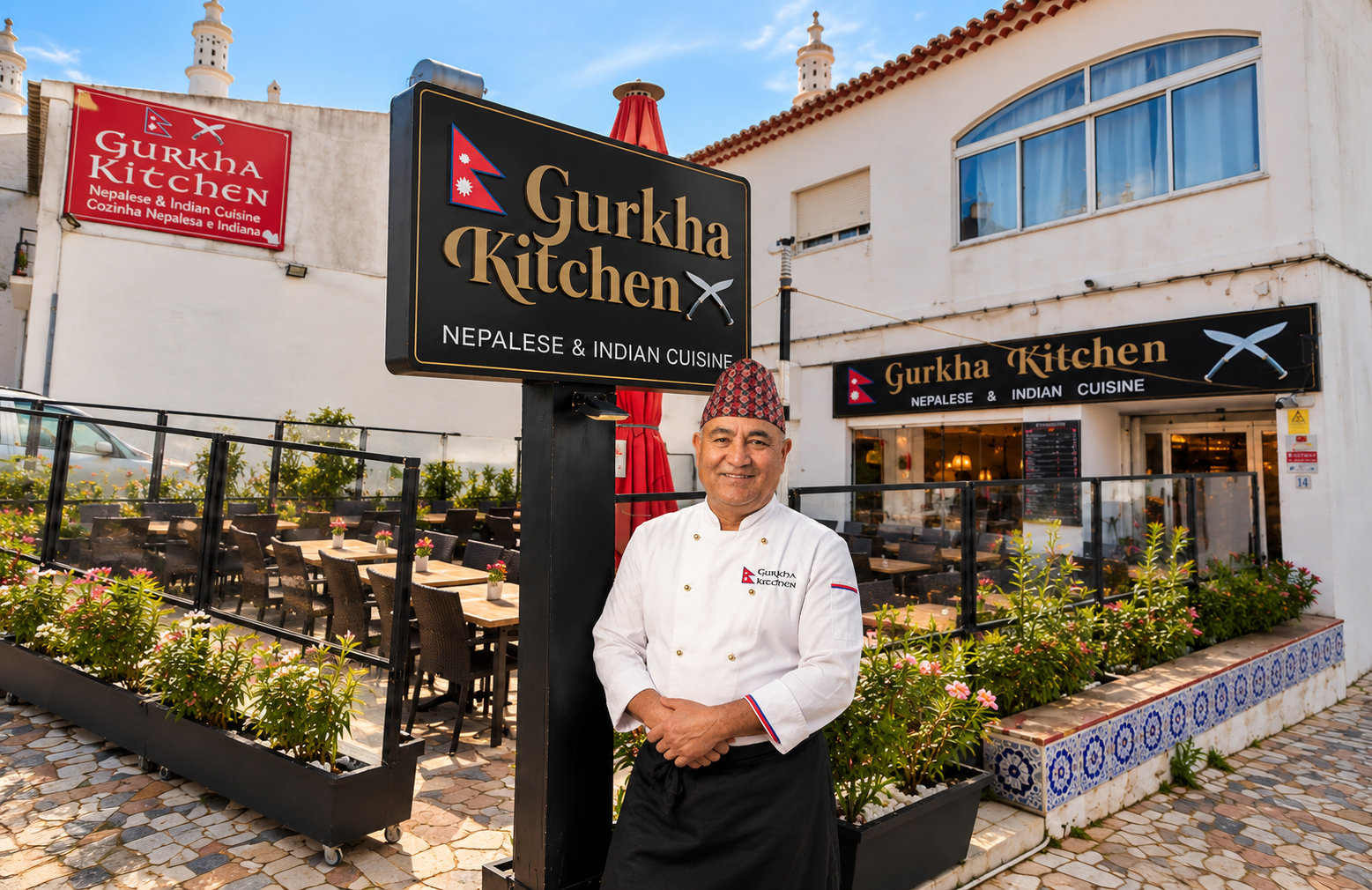
The history of the Gurkhas is closely associated with military service, but it also invites a broader interest in Nepal: its people, its communities and the culture that Nepalese families carry with them. This short introduction explains the main milestones and gives you a few reliable places to read more.
Where does the name Gurkha come from?
The name is associated with Gorkha in Nepal. You will encounter both spellings, Gurkha and Gorkha, when reading about the soldiers and the place. In British military history, Gurkha became the familiar spelling.
Gurkha is not a description of every Nepalese person. It is especially associated with soldiers recruited from Nepal and with the regiments in which they served. Keeping that distinction in mind makes it easier to appreciate Nepal’s wider cultural life alongside its military history.
1814 to 1816: war and the beginning of recruitment
The British East India Company and Nepal fought the Anglo-Nepalese War between 1814 and 1816. British officers were impressed by the resistance they encountered, and recruitment of Gurkha soldiers into Company service began in 1815. The Treaty of Sugauli followed in 1816.
That sequence matters: the relationship began during a colonial conflict. The long record of service that followed should be understood in that setting, as well as through the individual lives of the men who enlisted. The National Army Museum’s introduction to the Gurkhas provides a useful starting point.
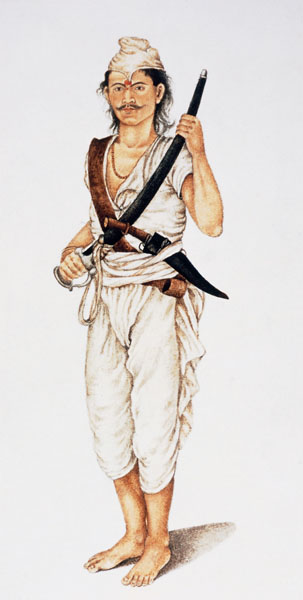
Gurkha service in the two World Wars
Gurkha units served in both World Wars, including campaigns in Europe and Asia. These were very different environments from the hills of Nepal, and their histories include difficult fighting, loss and acts of personal courage.
One individual worth reading about is Rifleman Kulbir Thapa. In September 1915, during the Battle of Loos, he became the first Gurkha soldier to receive the Victoria Cross. A named person and a specific event offer a more useful window into this history than broad claims about an entire people. The British Army’s historical overview records his award.
What happened after Indian independence?
In 1947, the existing Gurkha regiments were divided between the armies of independent India and Britain under an agreement involving Nepal, India and Britain. Four regiments transferred to British service; six remained with India.
The Royal Gurkha Rifles formed in 1994 through the amalgamation of four British Gurkha regiments. In 2009, a campaign for settlement rights secured a change allowing eligible Gurkha veterans who had retired before 1997 to settle in Britain with their families. Their story therefore includes civilian life, migration and community, as well as service.
The kukri: a recognisable part of the story
The curved kukri, also written khukuri, is strongly associated with Gurkha soldiers. Historical accounts also describe its practical uses as a tool. Its distinctive shape appears in regimental symbols and is widely recognised beyond Nepal.
If the subject interests you, The Gurkha Museum’s collections offer more detail about objects, personal accounts and Nepalese culture.
From Nepal to our kitchen in Carvoeiro
Our own story is a culinary one. Chef Shreeram Maharjan began cooking in Kathmandu and later opened Ayo Gurkhali in Wilmslow with his son Robin in 2009. The family moved to Portugal in 2016 and opened Gurkha Kitchen in Carvoeiro in 2018.
You can read our family’s story or explore our introduction to Nepalese food. The history behind a name is interesting; the food gives you another way to get to know the country.
 English
  Italian
  Spanish
  French
  Dutch
Dutch  Portuguese
  German