Carvoeiro Boardwalk and Algar Seco: A Walk Before Lunch or Dinner

CARVOEIRO | ALGARVE | PORTUGAL

Carvoeiro’s coast is easy to enjoy without filling the day with plans. A walk along the boardwalk, a stop to look at Algar Seco and a meal afterwards make a relaxed outing.
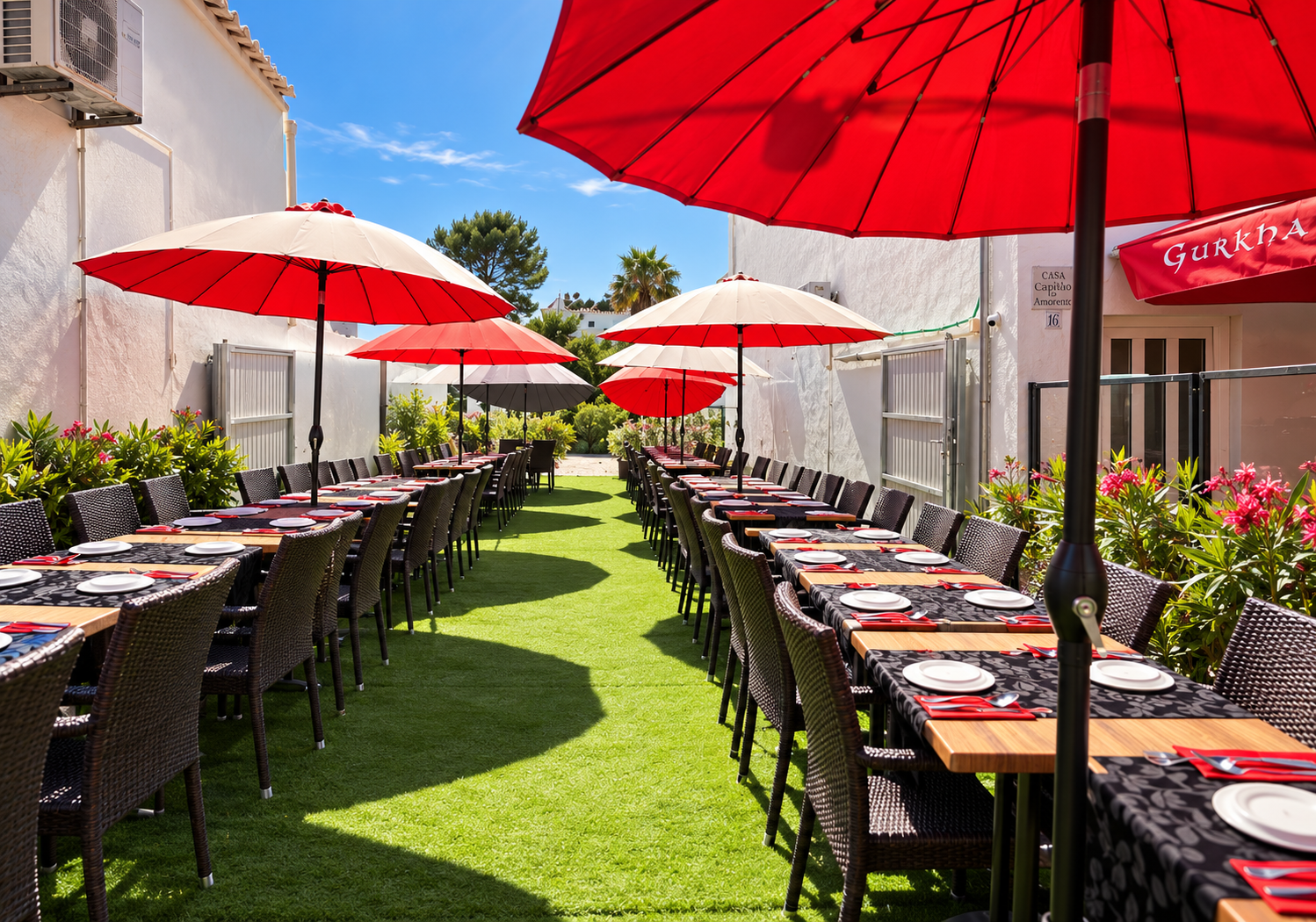
Outdoor tables under red parasols at Gurkha Kitchen in Carvoeiro
Outdoor tables under red parasols at Gurkha Kitchen in Carvoeiro.

The Carvoeiro boardwalk follows the cliff top between the area near the chapel of Nossa Senhora da Encarnação and Algar Seco. It gives you a coastal view close to the village, so you can combine a short walk with time at the beach square and lunch or dinner nearby.

This is an idea for an unhurried visit, rather than a fixed timetable. Choose a comfortable time of day, allow yourself to stop and check local signs when you arrive. Conditions and access can change.

Begin around Carvoeiro’s beach square

The square by Praia do Carvoeiro is a useful starting point if you are already in the village. From the beach area, the route towards the chapel and boardwalk involves an uphill section. Keep that in mind if you have been out in the heat or are walking with someone who prefers gentler routes.

Discover Carvoeiro’s guide to the beach square describes the connection towards the boardwalk and Algar Seco. Before setting off, decide whether you want a short look at the views or more time exploring the coast. Both can fit around a meal.

Follow the boardwalk towards Algar Seco

The wooden walkway runs along the coast with places to pause and look out over the sea. The local tourism brochure describes a route of roughly 570 metres between Algar Seco and the fort and chapel area. Allow extra time for photographs and rest stops rather than treating it as a distance to finish quickly.

The Lagoa tourism brochure introduces Algar Seco as a limestone coastal landscape. Looking at the rock formations is part of the visit, even if you stay on the main route and do not take the steps down.

Take water and wear shoes you can walk in comfortably. Keep to marked routes and observe any barriers or closure notices. For families, agree where to stop together before anyone moves towards steps or the cliff edge.

The boardwalk and the rock paths are different walks

Do not assume that every path around Algar Seco has the same surface as the boardwalk. The lower rock areas involve steps and uneven ground. If mobility is a concern, check the route on arrival and choose the section that feels comfortable for your group.

You can enjoy the sea views without trying to reach every viewpoint. If a section is crowded, slippery or closed, leave it for another day. A meal afterwards is more enjoyable when everyone has had a walk that suits them.

Lunch first or dinner afterwards?

For a daytime visit, you might explore the beach square and boardwalk before stopping for lunch. If you prefer an evening outing, allow enough daylight for the walk and leave time to return comfortably before your dinner reservation.

A coastal walk does not need to become a full hiking day. You can keep the plan simple: choose your starting point, enjoy the section you want to see, then head back towards the village for food.

Nepalese and Indian food near Algar Seco

Gurkha Kitchen is at Rua das Amoreiras 14, Carvoeiro. Our restaurant serves Nepalese and Indian dishes, with food to enjoy here or take away. We are open daily from 11 AM to 11 PM.

If you want help choosing, our Nepalese food guide introduces momo and some of the chef’s recommendations. Our Indian curry guide compares sauces and spice levels. You can also go straight to the full menu.

Use directions to Gurkha Kitchen to check the route from your particular stopping point. Walking times vary depending on where you leave the boardwalk and which paths you take.

Keep the practical details easy

Book ahead if you have a particular dinner time in mind. For a same-day reservation, call +351 920 169 028. Tell us about your group size and any dietary needs when you get in touch.

If you would rather eat at your accommodation, phone to arrange a takeaway for collection. Our frequently asked questions cover booking, takeaway and other useful details before your visit.
How to Choose an Indian Curry: A Guide to Our Carvoeiro Menu

CARVOEIRO · AT THE TABLE

When two curry names are unfamiliar, the most useful question is often simple: would you like a creamy sauce, a thicker tomato-and-onion sauce, or something with fresh chilli?

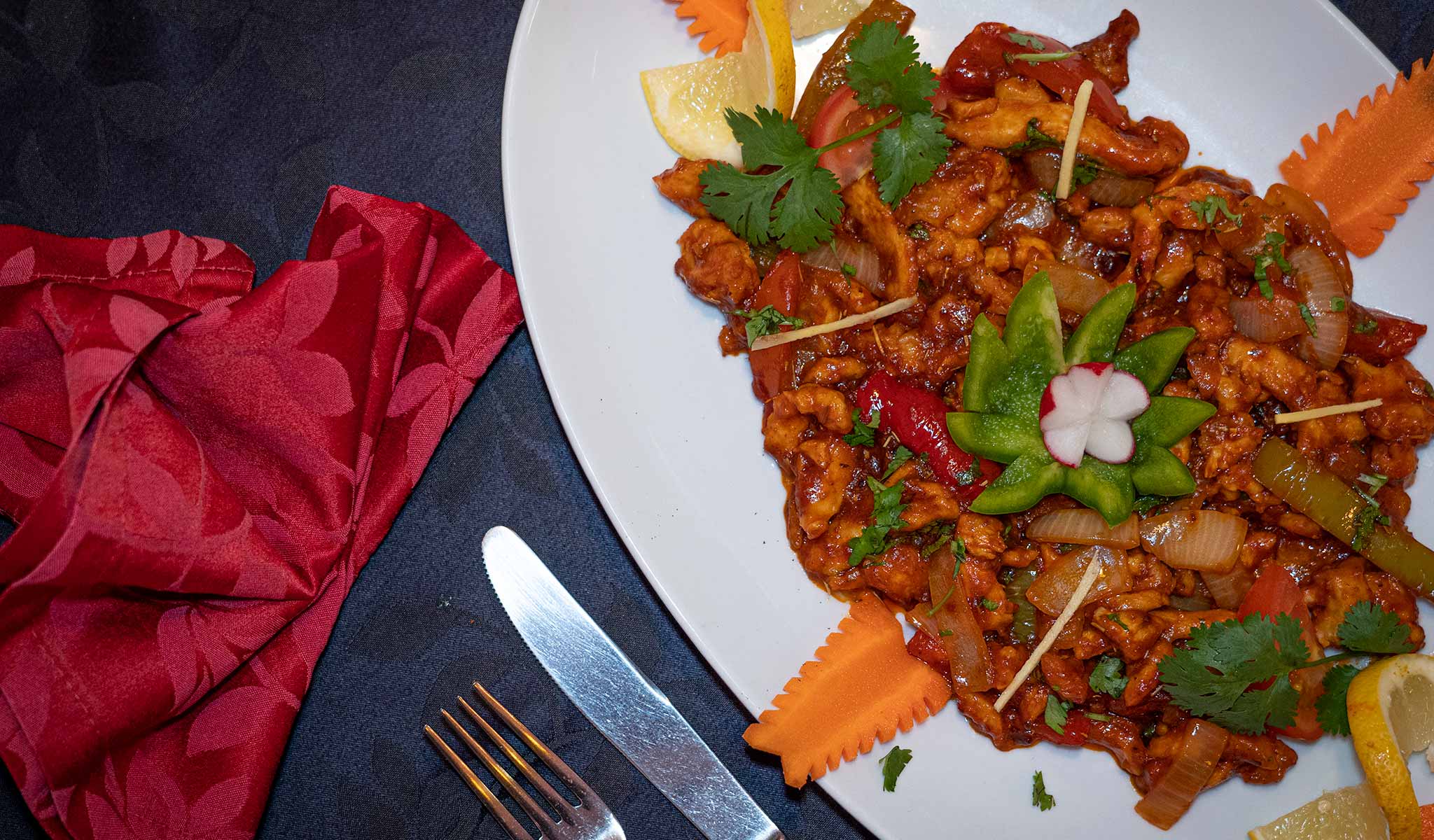
A plated dish from the Gurkha Kitchen menu
A plated dish from the Gurkha Kitchen menu.

Choosing an Indian curry in Carvoeiro is easier when you look beyond the name. The sauce, texture and level of heat help you narrow the choice before you decide on chicken, lamb or prawns. This guide follows Gurkha Kitchen’s menu, because recipes and spice levels can vary from one restaurant to another.

Start with the sauce

Korma is a good starting point if you enjoy a creamy texture. Our version uses cream and coconut. Passanda is described on our menu as very mild, with fresh cream, a touch of spice and a dried-fruit garnish. They suit a different mood from a curry built around fresh chillies.

If you prefer a thicker sauce, look at bhuna. Ours combines onions, tomatoes and red and green peppers in a firm sauce. Dopiaza is another medium-strength option with cubed peppers and onions. Rather than asking only which is hotter, consider whether you enjoy the vegetables and texture each dish offers.

Match the dish to your preferred heat

The table below gives a quick comparison of selected dishes from our classic Indian section. It is a guide to our menu descriptions, rather than a universal scale for these curry names.

Dish Sauce and flavour What to expect
Korma Cream and coconut Rich, creamy texture
Passanda Fresh cream, light spices, dried fruit Very mild
Bhuna Onion, tomato and peppers; firm sauce A thicker sauce; ask about heat
Dopiaza Cubed onions and peppers Medium strength
Jalfrezi Green chillies, ginger, onions and peppers Fresh chilli in the dish
Madras Ginger, garlic, tomato and lemon Hot and spicy
Vindaloo Plenty of chilli with ginger, garlic and black pepper Very hot

We can adjust the spice level of many dishes. Tell us what you normally enjoy and whether you want mild, medium or hot. A familiar reference is helpful: “I like fresh chilli, but I do not want a very hot curry” tells the team more than “I can handle spice.”

For sweet-and-sour or aromatic flavours

Dansak combines lentils and pineapple on our menu and has a fairly sweet-and-sour character. That makes it worth considering when you want something different from a cream-based sauce.

Karahi brings together onions, tomatoes, coriander, garlic, ginger and fenugreek. Roganjosh uses tangy tomatoes with garlic, fennel and mustard. Both are options for diners who are choosing by the ingredients they enjoy, rather than aiming for a particular heat level.

Look beyond the classic curry section

You will find tandoori butter chicken among our chef’s recommendations. It combines barbecued chicken with butter, tomatoes, cream and spices. Chicken tikka massala also appears there, with a creamy tandoori sauce.

For a spinach-based dish, sag chicken or lamb combines puréed spinach with roasted cumin and methi. If the spinach flavour appeals to you, that may be a better reason to choose it than simply asking for a medium curry.

Our menu also includes Nepalese dishes. Read the first-timer’s guide to Nepalese food if you would like to compare those with the Indian choices.

Choose rice, bread and accompaniments together

A sauce-rich curry works well with rice or bread to enjoy alongside it. A table sharing several dishes can order a mix, but ask about portions before adding extras. A grilled starter followed by a curry also gives you a change of texture through the meal.

Check the Sides, Rice & Breads section of our menu for the current choices. You can plan the meal around the dishes you want, then add the accompaniments you need.

A quick word about allergies

Creamy sauces may contain dairy, and other dishes can include ingredients such as mustard, sesame or gluten. The dish name does not give a complete ingredient list. Tell us about allergies before ordering so we can discuss the preparation with you.

If you are taking your meal away, call +351 920 169 028 to arrange collection. We offer takeaway from the restaurant; we do not offer home delivery.

A First-Timer’s Guide to Nepalese Food in Carvoeiro

NEPAL · FOOD & FLAVOUR

A plate of momo is an easy place to start. A lentil dish, a grilled starter or a slowly cooked lamb curry can show you a different side of Nepalese cooking.

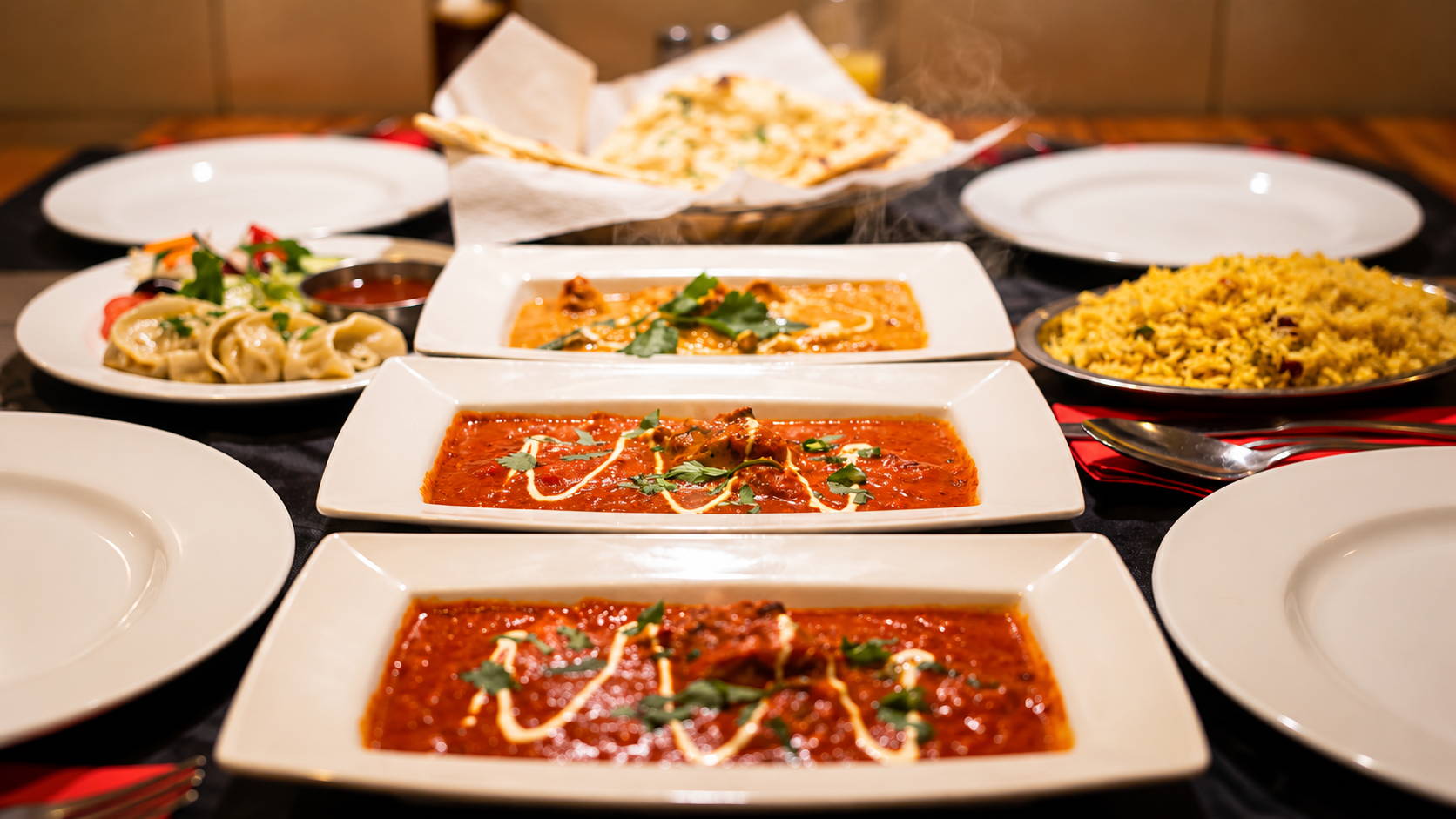
A selection of dishes served at Gurkha Kitchen in Carvoeiro
A selection of dishes served at Gurkha Kitchen in Carvoeiro.

If you are trying Nepalese food in Carvoeiro for the first time, you do not need to recognise every name on the menu. Start with the kind of meal you enjoy, then ask about the ingredients and the heat. This guide introduces a few food traditions from Nepal and connects them with dishes on our own menu.

Nepalese food has many regional traditions

Nepal’s food varies between regions and communities. Indian and Tibetan cooking have influenced it, while Newari and Thakali traditions have their own dishes and meal patterns. A restaurant menu can introduce some of these flavours, but it cannot represent everything people eat across the country.

The Nepal Tourism Board’s guide to culture and food describes a familiar everyday meal: dal, or lentils; bhat, or rice; tarkari, or vegetables; and achar, a pickle or relish. The accompaniments matter. They let you move between softer flavours and something sharper or hotter as you eat.

Momo: Nepal’s much-loved dumplings

Momo are filled dumplings, commonly steamed, although fried and soup-based versions also exist. The filling, folding and sauce vary. Nepal Tourism Board’s Nepalese heritage cuisine recipe book discusses their Tibetan connections and the role of Newari traders in bringing them to Nepal.

At Gurkha Kitchen, our starter mo:mo uses gently spiced minced lamb in steamed pastry and comes with tamarind sauce. The main-course version on our chef’s recommendations menu comes with sesame sauce. If you are choosing between them, think about whether you want a small introduction before a curry or dumplings as the focus of your meal.

People sometimes expect all Nepalese food to be very hot. Momo is a useful reminder that spice can mean seasoning and aroma, too. Ask us about the sauce and your preferred heat before ordering.

Try a Nepalese starter beyond momo

Chhwela wochha combines chicken or lamb with Nepalese spices and a lentil pancake. It offers a different texture from a dumpling: seasoned meat alongside the pancake underneath. Our menu describes it as a traditional Nepalese starter.

Lamb sekuwa is another option. We cook spicy strips of lamb in the clay oven with Nepalese spices, green chillies and onion, then garnish them with coriander and ginger. Choose it if you enjoy grilled meat and want a starter with more heat.

For a vegetarian starter, piro paneer combines cottage cheese, onions and peppers in a spicy Nepalese sweet-and-sour sauce. Paneer is dairy, so this is a vegetarian choice rather than a vegan one.

Choose a main by the flavours you enjoy

Our chef’s recommendations include Sherpa lamb curry, made with slowly cooked lamb, potato, onion and Gurkha spices. Daa:kula curry takes another route, with lamb stock, tomatoes, coriander and ginger.

If chicken is your preference, Himalayan cham cham combines tandoori chicken with onions, peppers, garlic and ginger in a medium-spiced creamy sauce. These descriptions tell you more than the dish names alone. One choice centres on lamb and potatoes; another on tandoori chicken and a creamy sauce.

There is no need to order several unfamiliar dishes at once. Pick a starter that interests you and a main whose ingredients sound appealing. On a later visit, try something different.

Build a meal that suits your table

If you are sharing, mix textures as well as dishes: a steamed starter, something from the clay oven and a curry with rice or bread. Discuss portions with us so you can order comfortably for your group.

Tell the team about any allergies before choosing. Sauces and accompaniments can contain ingredients that are not obvious from the dish name, including sesame or dairy. We can explain the current preparation and help you decide what to order.

Our full menu has the current dish descriptions. If you would like help comparing sauces, read our guide to choosing an Indian curry. For the story behind the name above our door, see our short history of the Gurkhas.

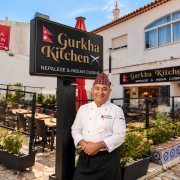
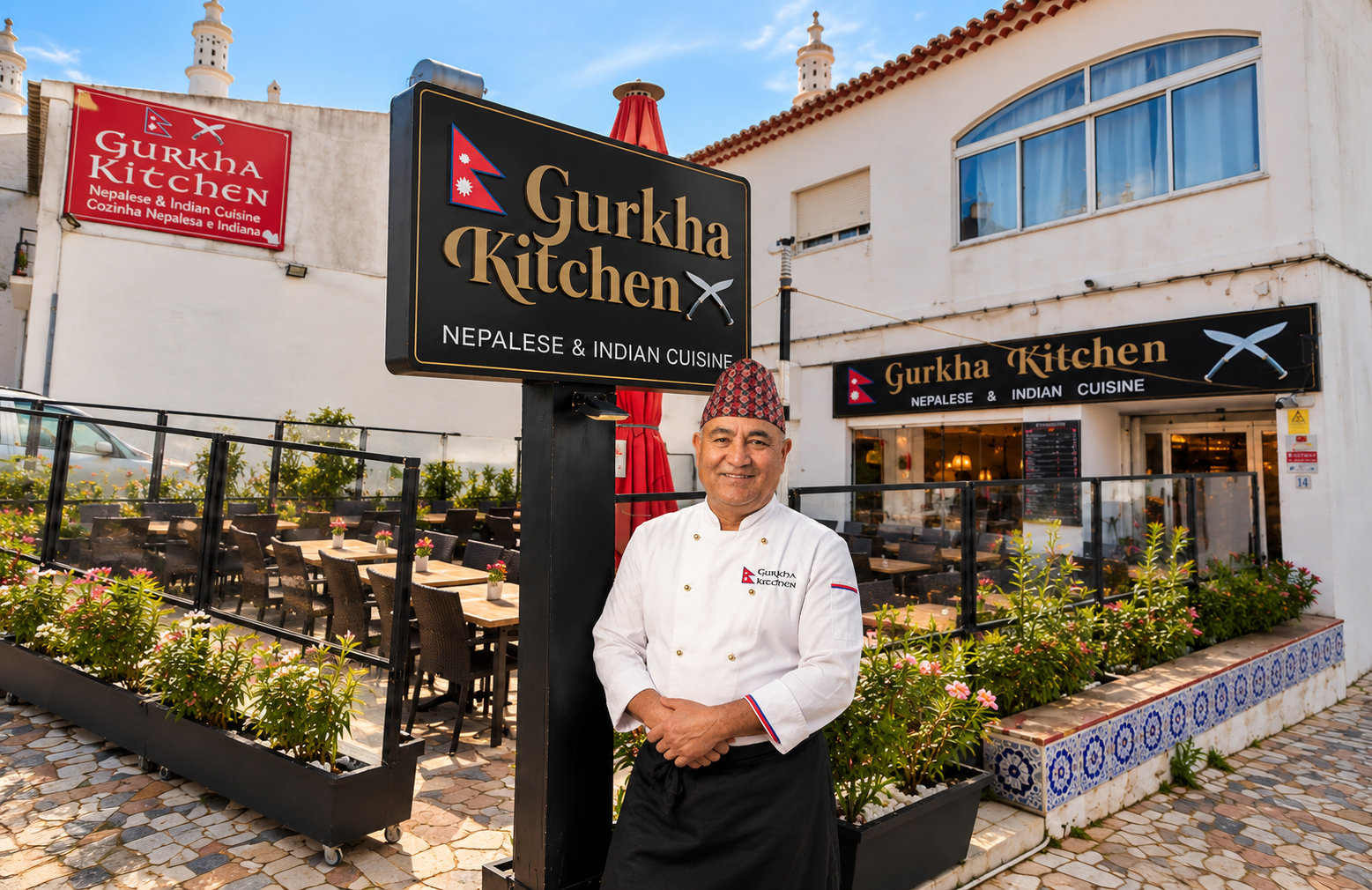
Chef Shreeram Maharjan outside Gurkha Kitchen in Carvoeiro

Who Were the Gurkhas? A Short History of Nepal’s Soldiers

NEPAL · HISTORY & HERITAGE

You may know the name Gurkha from a regiment, a history book or the sign above our restaurant. Behind it is a story that begins in Nepal and reaches far beyond the Himalayas.

Chef Shreeram Maharjan outside Gurkha Kitchen in Carvoeiro
Chef Shreeram Maharjan outside Gurkha Kitchen in Carvoeiro.

The history of the Gurkhas is closely associated with military service, but it also invites a broader interest in Nepal: its people, its communities and the culture that Nepalese families carry with them. This short introduction explains the main milestones and gives you a few reliable places to read more.

Where does the name Gurkha come from?

The name is associated with Gorkha in Nepal. You will encounter both spellings, Gurkha and Gorkha, when reading about the soldiers and the place. In British military history, Gurkha became the familiar spelling.

Gurkha is not a description of every Nepalese person. It is especially associated with soldiers recruited from Nepal and with the regiments in which they served. Keeping that distinction in mind makes it easier to appreciate Nepal’s wider cultural life alongside its military history.

1814 to 1816: war and the beginning of recruitment

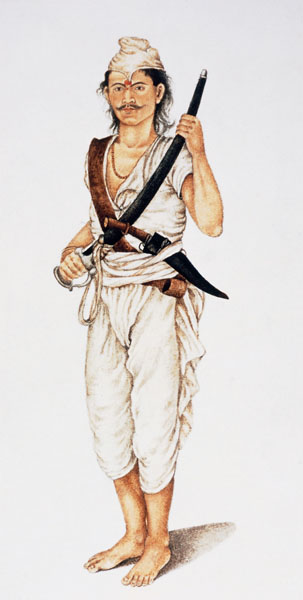
The British East India Company and Nepal fought the Anglo-Nepalese War between 1814 and 1816. British officers were impressed by the resistance they encountered, and recruitment of Gurkha soldiers into Company service began in 1815. The Treaty of Sugauli followed in 1816.

That sequence matters: the relationship began during a colonial conflict. The long record of service that followed should be understood in that setting, as well as through the individual lives of the men who enlisted. The National Army Museum’s introduction to the Gurkhas provides a useful starting point.

An 1815 painting of a Gurkha infantryman carrying a kukri
A Gurkha infantryman, 1815. Unknown artist; commissioned by William Fraser. Public domain, via Wikimedia Commons.

Gurkha service in the two World Wars

Gurkha units served in both World Wars, including campaigns in Europe and Asia. These were very different environments from the hills of Nepal, and their histories include difficult fighting, loss and acts of personal courage.

One individual worth reading about is Rifleman Kulbir Thapa. In September 1915, during the Battle of Loos, he became the first Gurkha soldier to receive the Victoria Cross. A named person and a specific event offer a more useful window into this history than broad claims about an entire people. The British Army’s historical overview records his award.

What happened after Indian independence?

In 1947, the existing Gurkha regiments were divided between the armies of independent India and Britain under an agreement involving Nepal, India and Britain. Four regiments transferred to British service; six remained with India.

The Royal Gurkha Rifles formed in 1994 through the amalgamation of four British Gurkha regiments. In 2009, a campaign for settlement rights secured a change allowing eligible Gurkha veterans who had retired before 1997 to settle in Britain with their families. Their story therefore includes civilian life, migration and community, as well as service.

The kukri: a recognisable part of the story

The curved kukri, also written khukuri, is strongly associated with Gurkha soldiers. Historical accounts also describe its practical uses as a tool. Its distinctive shape appears in regimental symbols and is widely recognised beyond Nepal.

If the subject interests you, The Gurkha Museum’s collections offer more detail about objects, personal accounts and Nepalese culture.

From Nepal to our kitchen in Carvoeiro

Our own story is a culinary one. Chef Shreeram Maharjan began cooking in Kathmandu and later opened Ayo Gurkhali in Wilmslow with his son Robin in 2009. The family moved to Portugal in 2016 and opened Gurkha Kitchen in Carvoeiro in 2018.

You can read our family’s story or explore our introduction to Nepalese food. The history behind a name is interesting; the food gives you another way to get to know the country.